‘Maximum Downforce: The Venturi Effect and the Influence of Rake on Cars’
VWO 5 Personal Project
How can a Formula 1 car generate maximum downforce using airflow? For my final project in my junior year in high school, I investigated the relationship between the “rake” (the angle of the car floor) and the Venturi effect. By designing and building my own wind tunnel and various test objects, I have experimentally demonstrated how a greater rake angle increases the airspeed beneath the vehicle and reduces pressure, which forms the basis for effective downforce.
Maximale Downforce: De Wetenschap achter de 'Rake'
Een experimenteel onderzoek naar het Venturi-effect in de autosport.
My passion for engineering didn’t begin in a classroom, but on the racetrack. In Formula 1, everything revolves around one question: how can you get a car to go as fast as possible through a corner? The answer lies in the airflow beneath the car. For my junior year project, I decided to delve deeper into this mystery. I wanted to understand how the car’s angle — known as the ‘rake’ — affects downforce.
What is rake?
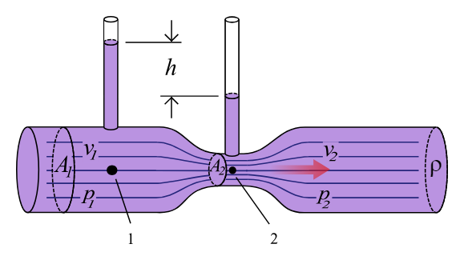
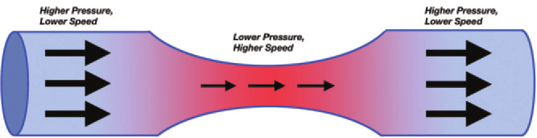
To the untrained eye, a racing car might appear to lie flat, but if you look closely, you’ll see that the rear is often higher than the front. We call this difference in angle ‘rake’. In theory, a greater rake angle should result in a stronger Venturi effect. This effect means that air forced through a constriction accelerates, causing the air pressure to drop (Bernoulli’s Principle). The result? The car is ‘sucked’ onto the tarmac. My aim was to prove this theoretical principle with my own experiment.
Wind tunnel
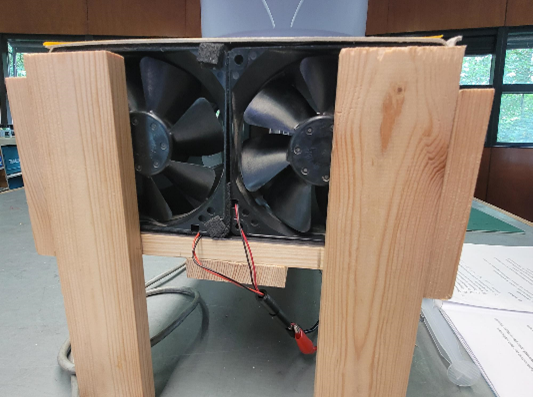
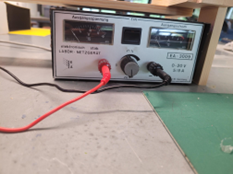
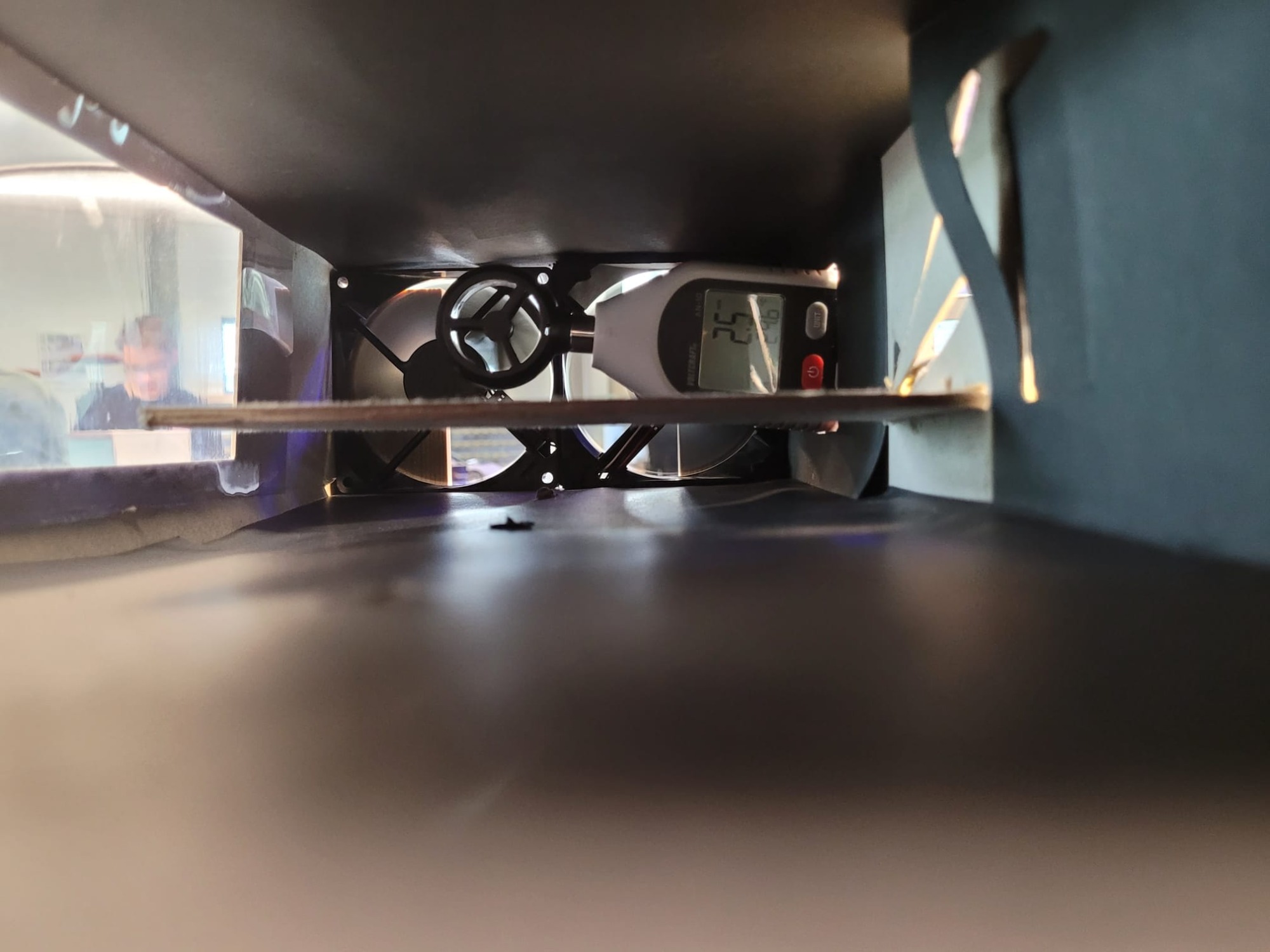
To measure this effect, I needed a controlled environment. As I did not have access to a professional wind tunnel, I designed and built one myself. The setup consisted of a tunnel in which a constant airflow was generated by two powerful computer fans, powered by an adjustable transformer set to 20 volts.
The biggest challenge was making the pressure difference measurable. To do this, I constructed a liquid manometer: a system of thin tubes filled with water, connected to measuring points on the underside of my test objects. The idea was simple but effective: if the pressure dropped beneath the object, the water level in the tube should rise.
The experiment: 0, 20 en 40 degrees
For the experiment, I developed three specific test objects representing different aerodynamic configurations. Each object had the same length and width to keep the variables controlled:
- Object 1 (0° Rake): A completely flat floor. This served as the baseline.
- Object 2 (20° Rake): A slight angle of inclination, comparable to that of a standard sports car.
- Object 3 (40° Rake): An extreme angle to investigate where the limit of air acceleration lay.
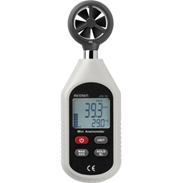
During the test runs, I used a digital anemometer to measure the air velocity at two key points: at the inlet (v1v1) and below the constriction (v2v2).
Results
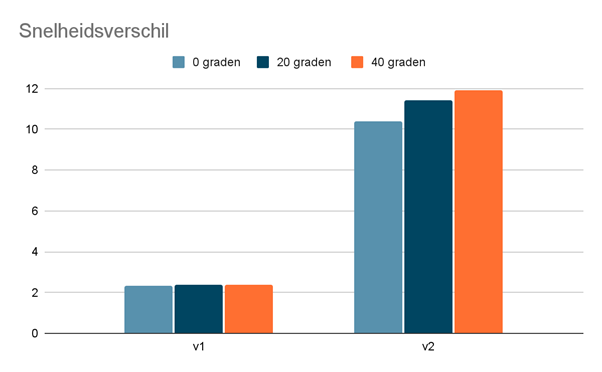
The data from my wind tunnel tests revealed a clear pattern. For the object with a 0-degree rake angle, the difference in airspeed was minimal. However, as the angle increased, the airspeed beneath the object rose exponentially. For the 40-degree rake configuration, I measured the highest airspeed
- I measured the highest air velocity (11.9 m/s) at the 40-degree rake configuration.
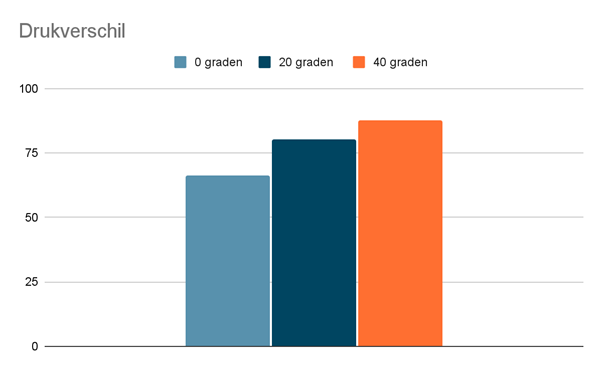
- Using Bernoulli’s formula, I calculated that the pressure drop at the highest rake angle was almost 30% greater than at the slight rake angle.
This confirmed my hypothesis: a more aggressive rake setting significantly enhances the Venturi effect, thereby maximising the potential downforce.
Reflection
A scientific experiment rarely goes off without a hitch, and that was the most valuable lesson from this project. I discovered that water, whilst useful, has a relatively high density. Given the subtle pressure differences in my wind tunnel, the liquid sometimes proved too slow to visually reflect the pressure changes immediately.
The airtightness of the homemade tunnel was also a constant concern; every leak resulted in a loss of accuracy. These practical obstacles forced me to take a critical look at my measurement method and to validate my results with mathematical calculations based on wind speed.
Conclusion
My final-year project was more than just a school assignment; it was my first real engineering project. I learnt how to take an abstract law of physics and turn it into a physical test setup, and how to translate data into useful insights. It laid the foundation for my current studies in automotive engineering and my fascination with optimising vehicle performance — a process I continue today using advanced tools such as Simulink and Abaqus.
Here is the full documentation of this Project(in Dutch).
Document:
Grade: 8.2
visualisations
Below are the analyses and the corresponding inventor drawings.